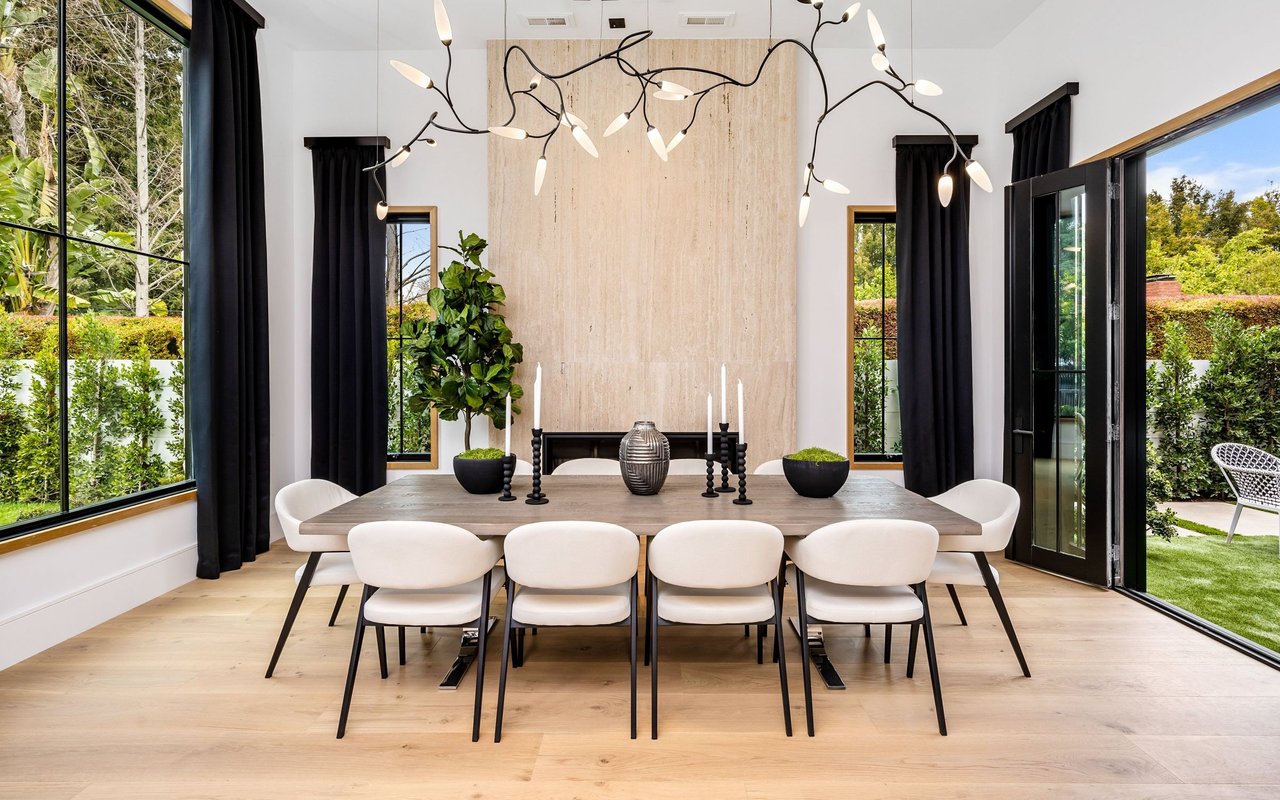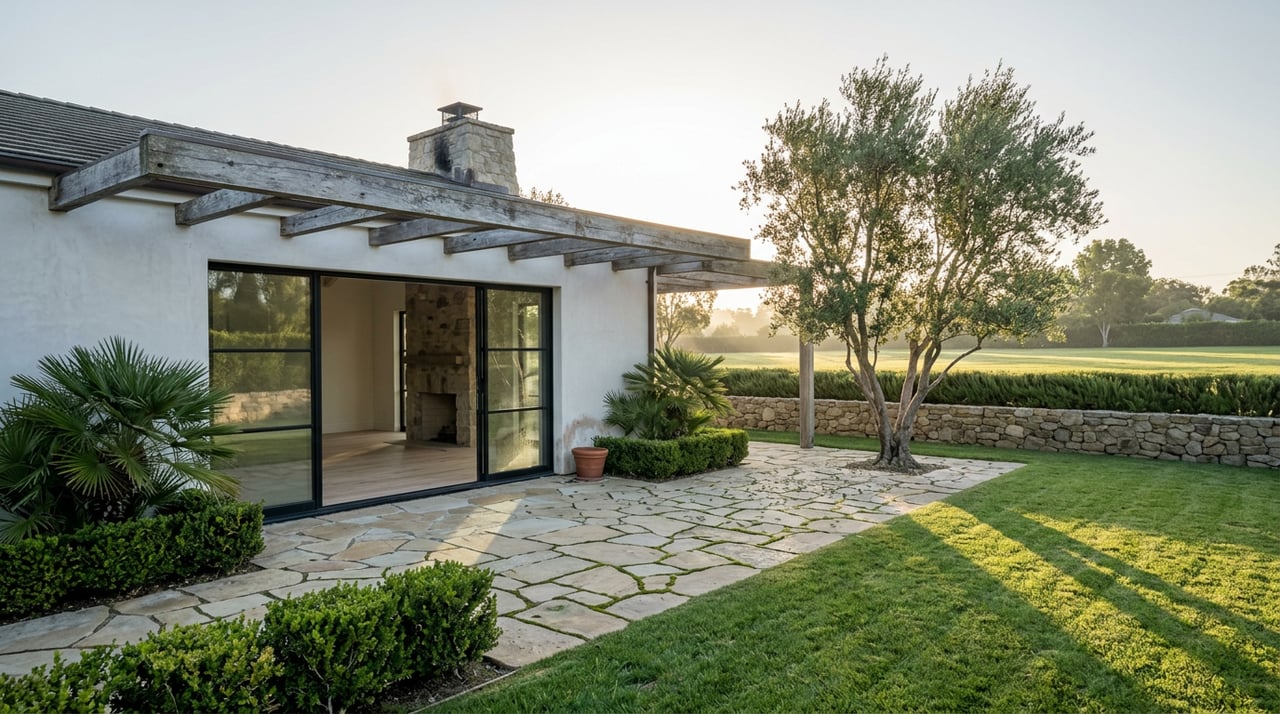
"Quiet street, low traffic, and just a short stroll to the private neighborhood gate that opens straight to Mesa Verde Country Club."
That's how a recent listing on Java Road described the walk from the front door to the fairway. It sounds like a universal feature of golf-course living in Mesa Verde. It isn't. That gate, and the direct line it draws between a specific house and the course, belongs to a handful of streets. Most homes marketed as "golf course adjacent" in this neighborhood sit somewhere between a real sightline and a rumor of one, and the difference shows up in price, in days on market, and in what a buyer is actually paying for.
Three Sales, One Label
Two years of closed sales around Mesa Verde Country Club tell a clean story once you line them up.
| Address | Price | Year Built | Square Feet | Days on Market |
|---|---|---|---|---|
| 3036 Java Road | $4,350,000 | 1966 | 5,800 | 107 |
| 3051 Capri | $3,950,000 | 1968 | — | 0 |
| 3061 Country Club Drive | $3,949,000 | 1968 | — | 0 |
Two of these three houses closed the day they hit the market. The third sat for over three months before anyone bought it, at a price roughly $400,000 higher. All three carry the golf-course label. None of them behaved the same way in the market. If the fairway alone set the price, that gap wouldn't exist.
What the Table Doesn't Explain
The difference is frontage, and Mesa Verde's golf-adjacent streets split into three distinct categories that a listing photo rarely makes obvious.
Capri Lane and Country Club Drive back directly onto the fairways. These are the homes with true rear-yard frontage, backyard views straight across open turf, and the shortest possible distance between a patio and a golf cart path. That directness is what closed those two 1968 houses at zero days on market. Buyers who want the course did not need to be convinced.
Java Road and Kornat Drive sit above and around the course rather than flush against it. Homes here are elevated, looking down across fairways and practice areas rather than facing them edge to edge. The view can be broader, sometimes better, but it is a different relationship to the course, and it is part of why a house with more square footage and a higher price tag took over three months to sell.
Gisler Road is a smaller pocket with partial views and homes set back from the fairway line entirely. Proximity to the course exists here more as a neighborhood identity than a physical feature.
None of this shows up as a line item on a listing sheet. It shows up in whether the backyard fence borders the 9th hole or looks at it from a rise two streets away, and buyers comparing homes across these streets are often comparing different products that happen to share a zip code and a club name.
The Costs the Photos Don't Show
Direct frontage carries its own version of a tax. It's not on the closing statement, but it shapes daily life on those blocks in ways worth asking about before an offer goes in.
- Early morning maintenance equipment runs on the course before most households are awake, and homes closest to the fairway hear it first.
- Golf ball risk is real on holes with dogleg turns, and it varies significantly depending on which side of which fairway a house sits on.
- Course-imposed restrictions on fencing height and landscaping apply to some backing properties, limiting how much privacy a homeowner can add later.
A local agent who has walked these specific streets can usually tell you which lots get natural buffering from trees or elevation and which sit exposed to all three. That's not information a portal listing carries.
Buying the House Doesn't Buy the Club
One more distinction gets lost in the shorthand of "golf course home." Owning a house on Java Road or Capri Lane does not include membership at Mesa Verde Country Club. The club is member-owned and separate from the surrounding real estate, and access to the course itself requires joining on its own terms.
Membership cost estimates vary depending on the source, which is worth flagging rather than smoothing over. Some estimates put the initiation fee at roughly $60,000, with other ranges running from $50,000 to $75,000 and annual dues cited anywhere from about $10,000 to $15,000. A different estimate cites monthly dues closer to $300 to $350, a figure that doesn't reconcile cleanly with the annual range from other sources. The honest answer is that public estimates disagree, and anyone weighing membership into a purchase decision should confirm current numbers directly with the club rather than treating any single online figure as settled.
The Age Question Every One of These Houses Raises
There's a second thread running under all of this. A two-year pull of closed sales across Mesa Verde found that 79 percent of transactions were homes built between 1955 and 1969, a fourteen-year window that accounts for nearly four out of every five closings. The golf-adjacent streets sit squarely inside that pattern. Java Road, Capri, and Country Club Drive are not exceptions to Mesa Verde's vintage housing stock, they are some of its clearest examples.
That matters for what the premium actually buys. A buyer paying for direct fairway frontage on a 1966 or 1968 house is very likely also buying original electrical panels, older plumbing, and pre-1978 building materials unless a prior owner has already addressed them. The location premium and the renovation budget are two separate lines in the same transaction, and treating them as one number is how buyers get surprised during inspection.
A Short FAQ
Does every home in Mesa Verde back up to the golf course? No. The neighborhood wraps around Mesa Verde Country Club, but true fairway frontage is limited to specific streets like Capri Lane and Country Club Drive. Many homes marketed with golf-course language sit farther from the course than the description implies.
Is club membership required to live on these streets? No. The country club is a separate, member-owned entity. Homeownership on a golf-adjacent street does not include club access, and membership must be pursued independently through the club.
Comparing two golf-course listings by price alone misses the parts that actually determine whether the house fits. Frontage type, course-imposed restrictions, and the age of the systems behind the walls all shape what a specific address is worth to a specific buyer. Cadence Real Estate works these streets closely enough to tell you which lot backs the fairway and which one just borrows the name. Let's Get Started.